Best hotel reservation software: features criteria, and selection frameworks
Learn how to evaluate hotel reservation software based on integrations, scalability, distribution, guest experience, and multi-property needs.
Published September 16, 2026 • 5 minute read

Key takeaways:
- The best hotel reservation software should connect rates, availability, inventory, distribution, and direct booking workflows
- Hotel management groups need centralized portfolio control combined with enough flexibility to support different properties, brands, markets, and tech
- Hotels should compare platforms using clearly weighted commercial, technical, operational, and growth requirements
- Integrations, scalability, implementation support, and long-term vendor partnership are as important as the software’s capabilities
Choosing the best hotel reservation software is not simply a matter of comparing feature lists. Hotels must consider how a solution will support distribution, direct bookings, operational workflow, and long-term growth.
For hotel management groups, the decision becomes even more complex. The right platform must provide centralized control while accommodating differences among properties, brands, markets, and operating models.
What is hotel reservation software?
Hotel reservation software helps hotels manage the availability, rates, inventory, and information used to sell rooms. Depending on the platform, it may also connect hotels with their direct booking engine, online travel agencies (OTAs), global distribution systems (GDSs), call centers, property systems, and other technology partners.
The term is sometimes used broadly, so hotels should clarify which capabilities a vendor provides. A central reservation system (CRS), booking engine, property management system (PMS), and channel manager perform different functions, even when they are connected within the same technology ecosystem.
Understanding these distinctions helps hotel teams avoid payment for overlapping tools or discovering critical functionality gaps during implementation.
Which feature matters most?
The best hotel reservation software should support the hotel's current commercial strategy while providing flexibility for future growth. Important capabilities to evaluate include:
- Centralized rate and inventory management: Teams should be able to manage availability and pricing efficiently across relevant channels and properties.
- Distribution connectivity: The platform should connect with the channels that matter to the hotel, including OTAs, GDSs, direct channels, and other distribution partners
- Direct booking capabilities: A connected booking engine should offer a fast, intuitive, mobile-friendly shopping experience
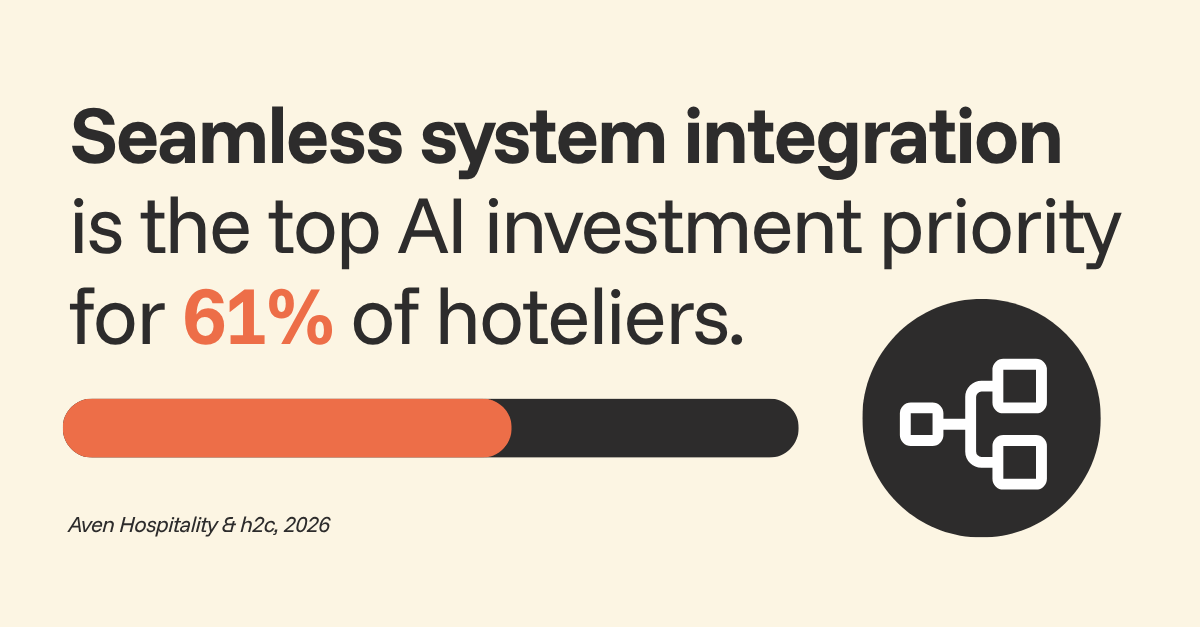
- Integration flexibility: Reliable integrations with systems such as the PMS, revenue management system, customer relationship management platform, payment providers, and loyalty technology can reduce manual work
- Merchandising options: The ability to present room types, offers, packages, and additional products can help hotels create more compelling booking experiences
- Reporting and analytics: Commercial teams need accessible information about booking behavior, production, channel performance, and demand
- Security and reliability: Reservation technology must be designed to protect sensitive information and support consistent availability
Hotels should evaluate how these features work together rather than assessing each one in isolation.
What should hotel management groups prioritize?
A hotel management group must balance enterprise-level consistency with property-level flexibility. Central teams may want shared standards and visibility, while individual hotels need the freedom to respond to local demand.
When evaluating hotel reservation system software, management companies should ask whether it can:
- Manage multiple properties through a centralized structure
- Support different brands, currencies, languages, and market requirements
- Establish group-wide standards without eliminating local control
- Add or transition properties without rebuilding the technology model
- Provide appropriate permissions for corporate and property-level users
- Integrate with different systems across a mixed portfolio
- Consolidate useful performance information across properties
The platform should also fit the group's growth strategy. A solution that works for five similar hotels may not remain effective as the portfolio expands into new brands, segments, or regions.
A practical framework for comparing solutions
Hotels can make the evaluation process more objective by organizing requirements into four main categories.
1. Commercial requirements
Identify the channels, markets, segments, offers, and booking experiences the platform must support. Consider both current revenue sources and future opportunities.
2. Technology requirements
Document required integrations, data flows, security expectations, and existing systems. Confirm whether integrations are established, configurable, or dependent on additional development.
3. Operational requirements
Include the employees who will use the technology every day. Revenue, reservations, distribution, e-commerce, operations, and property teams may identify workflow challenges that are not visible at the executive level.
4. Growth requirements
Consider where the hotel or management group expects to be in three to five years. Planned acquisitions, new brands, international expansion, or changes in distribution strategy may affect which platform is the strongest long-term fit.
Future scalability matters because technology environments continue to evolve. Research shows that 78% of hotel chains already use AI and 89% plan additional implementations, increasing the importance of reservation software that can accommodate new integrations and emerging capabilities over time.
Look beyond the initial implementation
Implementation is only the beginning of the vendor relationship. Hotels should evaluate the proposed onboarding process, training resources, support model, product roadmap, and approach to ongoing optimization.
Ask vendors to explain how they handle new integrations, property additions, configuration changes, and periods of high booking demand. References from organizations with a similar portfolio structure can also help validate whether the solution performs effectively at scale.
Ultimately, the best hotel reservation software is the one that connects the hotel's commercial strategy, guest experience, technology environment, and growth plans. A structured evaluation allows hotels and management groups to select a platform based on long-term value—not just the most impressive feature list.
FAQs:
What is the difference between a CRS and a booking engine?
A CRS centrally manages hotel rates, availability, inventory, and reservation information across connected channels. A booking engine is the guest-facing technology that allows travelers to search and book rooms directly through the hotel's website or other direct experiences.
What integrations should hotel reservation software support?
Integration needs vary, but hotels commonly connect reservation technology with their PMS, revenue management system, CRM, payment providers, loyalty platform, booking engine, and distribution channels. Hotels should confirm the depth and reliability of each required integration.
Can one reservation platform support an entire hotel management group?
Yes, provided the platform offers centralized portfolio controls, property-level permissions, scalability, and sufficient flexibility for different brands and operating models. Management groups should also evaluate how easily properties can be added or transitioned.
How should hotels compare reservation software providers?
Hotels should define and weigh their commercial, technical, operational, and growth requirements before comparing vendors. Demonstrations, integration validating, implementation plans, support models, and customer references should all contribute to the final decision.
About the author
Aven Hospitality is an independent global technology and SaaS leader in the hospitality industry, powering how hotels sell, distribute, and deliver guest experiences. SynXis, the leading global hospitality commerce and distribution platform, coordinates hotel information across 600+ integrations to ensure accuracy, consistency, and competitiveness wherever travelers discover, compare, and book.
Trusted by 35,000+ hotels across 190+ countries, Aven Hospitality serves as the connective layer behind many of the world’s most iconic brands, simplifying complexity behind the scenes so hoteliers can operate with confidence today and stay ready for what’s next.